Vitamins for Memory That Actually Help
Quick answer: which vitamins for memory actually help?
The vitamins for memory with real human evidence are vitamin B12, omega-3 DHA and EPA, vitamin D and iron. Their power lies in fixing a genuine shortfall rather than topping up a diet that is already adequate. A blood test pinpoints what you are missing, so you supplement the gap instead of guessing.
- Strongest evidence: B12 (deficiency affects up to 20% of over-60s), omega-3 DHA/EPA, vitamin D and iron.
- Best first step: a blood test, not a capsule — it shows the deficiency that is worth correcting.
- Where a formula fits: daily support once shortfalls are ruled out, or when diet cannot cover the gap.

Search for vitamins for memory and you meet a wall of promises: capsules that claim to sharpen recall in days and hold back the years. Most of that is marketing. But underneath the noise there is a smaller, sturdier truth. A handful of vitamins and nutrients genuinely affect how the brain works, and when one of them is running low, fixing it can change how clearly you think. The trick is knowing which vitamins for memory have earned that reputation in human trials, and which ride on a mechanism that sounds good on a label and does very little in a real person. This guide sorts the field the honest way, then looks at where diet and single pills run out of road.
Why "vitamins for memory" is a phrase worth unpacking
Iron and omega-3 fatty acids are not vitamins in the textbook sense, yet they sit at the centre of any serious conversation about memory nutrition, so we treat the phrase the way people actually use it: the vitamins and nutrients that feed normal brain function.
Here is the single most important idea in the whole topic, and the one the adverts leave out. For most nutrients, the relationship between intake and cognition is not a straight line that keeps climbing. It is a curve that rises steeply out of deficiency and then flattens. If you are short of a nutrient, restoring it can produce a real, noticeable change; if your levels are already adequate, adding more tends to do nothing measurable for memory. That is why the same vitamin can look miraculous in one study and useless in another: the two studies enrolled people at different points on the curve. So the useful question is never "does this vitamin boost memory?" in the abstract. It is "am I short of it, and would correcting that shortfall help me specifically?"
The best vitamins for memory, ranked by evidence
These are the nutrients with the most credible human data. None is a miracle, and each earns its place by mattering most when it is missing.
Vitamin B12. This is the clearest example of the deficiency-curve principle. B12 is essential for building the myelin that insulates nerves and for making neurotransmitters, and a genuine deficiency can produce fog, forgetfulness, low mood and slowed thinking. The catch is that deficiency is far more common than people assume: it affects up to 20 percent of adults over 60, partly because the stomach produces less of the acid needed to release B12 from food as we age, and partly because common medications and a plant-based diet can lower intake or absorption. When a low B12 is the cause of someone's fog, restoring it is one of the most satisfying corrections in nutrition. When B12 is already normal, extra does not sharpen memory further — the curve has flattened.
Omega-3 DHA and EPA. DHA is a structural fat that makes up a large share of the brain's cell membranes, and EPA supports the vascular and inflammatory side of things. Several randomised trials using 1,000 to 2,000 mg per day have reported improved working memory after about 12 weeks, with the most reliable results in people who started with a low omega-3 intake. The effect is modest and slow, which is exactly what you would expect from something that has to be built into cell membranes over weeks rather than switched on overnight. Two servings of oily fish a week delivers a comparable amount, which is why dietary omega-3 is a better first move than a high-dose pill for many people.
Vitamin D. Receptors for vitamin D are scattered throughout the brain, and low vitamin D status has been linked in observational research to poorer cognition and faster decline with age. Deficiency is widespread in anyone who spends most of their time indoors or lives at higher latitudes through winter. The evidence that supplementing improves memory is weaker than for B12, but correcting a documented deficiency is sensible for whole-body reasons and may help thinking as part of that. As always, it is the shortfall that matters, not the megadose.
Iron. Iron carries oxygen, and a brain starved of oxygen thinks poorly. Low iron — even before it becomes full anaemia — is a well-documented cause of fatigue, poor concentration and mental sluggishness, and it is especially common in menstruating women, vegetarians and endurance athletes. Correcting a real iron deficiency can lift cognition noticeably. Iron is also the nutrient where blind supplementing is most risky, because too much is harmful, so this is one to confirm with a test rather than assume.
The B-complex supporting cast and folate. B6, folate (B9) and B12 work together to keep homocysteine, an amino acid tied to vascular and cognitive risk, in a healthy range. A daily multivitamin has produced modest memory benefits in adults over 60 across several substudies of one large trial programme. For younger, well-fed adults the same multivitamin has little to show, which again fits the pattern: benefit tracks baseline need.
Vitamins for memory at a glance
| Nutrient | Why it matters for the brain | Who is most likely short | Evidence for helping memory |
|---|---|---|---|
| Vitamin B12 | Myelin and neurotransmitter synthesis | Over-60s, vegans, acid-reducing meds | Strong when correcting deficiency |
| Omega-3 DHA/EPA | Brain cell membranes and blood flow | Low fish eaters | Moderate at 1,000–2,000 mg/day, ~12 weeks |
| Vitamin D | Widespread brain receptors | Indoor workers, winter, higher latitudes | Linked to cognition; best when correcting a shortfall |
| Iron | Oxygen delivery to the brain | Menstruating women, vegetarians, athletes | Strong when correcting deficiency; test first |
| Folate & B6 | Homocysteine control with B12 | Low-vegetable diets, older adults | Modest, mainly as part of a multivitamin in over-60s |
Covered your vitamins but still want daily support?
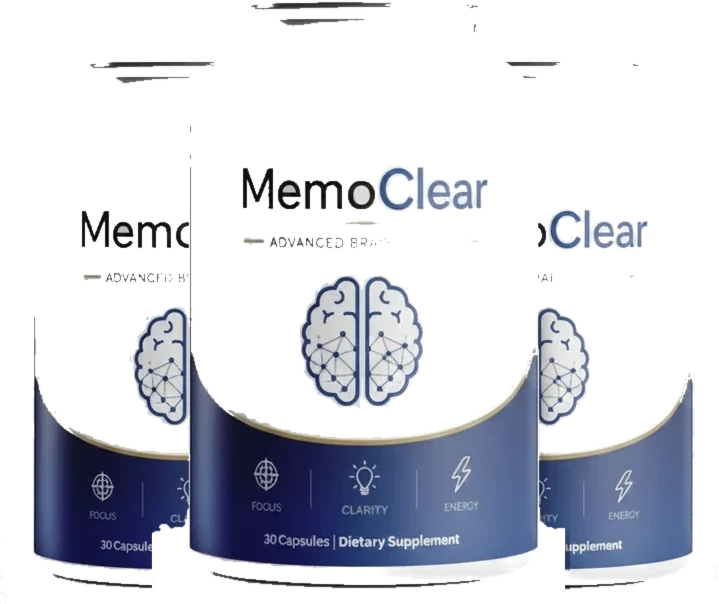
Memoclear is a stimulant-free daily capsule that pairs B-vitamin support with blood-flow amino acids, with the full Supplement Facts panel published so you can check every amount yourself. It supports normal focus and everyday memory — it does not replace correcting a diagnosed deficiency.
Check Availability & OptionsThe hype list: where the label promises more than the science
Plenty of ingredients get sold under the "memory vitamin" banner on evidence that is thinner than the marketing. None of the following is a scam, but each is oversold.
Vitamin E was once hoped to protect the ageing brain through its antioxidant activity, but large trials have been mostly disappointing for cognition in healthy adults — a plausible mechanism that did not survive proper testing.
Mega-dose single B vitamins beyond correcting a deficiency are a common upsell. Once homocysteine is in range and levels are normal, pouring in more does not keep improving memory, and the excess is simply excreted. The bright yellow urine after a B-complex is not a sign of absorption; it is the surplus leaving.
"Brain" multivitamins with dozens of ingredients often list impressive components in trace amounts, well below any studied dose, because only so much fits in a capsule. A long ingredient list is not the same as an effective one. We break down how to read those panels in our guide to what the wording on a brain-booster supplement label actually means, which is the fastest way to tell a real dose from a pixel-dust one.
Why a blood test beats a guess
If the benefit of most memory nutrients depends on whether you are deficient, then the single highest-value purchase in this whole category is not a supplement at all. It is a blood test. A basic panel that checks B12, ferritin (iron stores), vitamin D and a full blood count tells you, for a modest cost, exactly where you sit on that curve. The alternative — taking a stack of vitamins on the assumption that more must be better — wastes money on nutrients you already have enough of, and occasionally does harm. Iron is the standout warning: supplementing iron you do not need can cause real problems, which is why "just take some iron for the tiredness" is bad advice without a ferritin result.
A test also protects you from a subtler trap. Brain fog and forgetfulness have many causes that no vitamin can touch: poor sleep, chronic stress, an underactive thyroid, depression, some medications and simple dehydration. If a deficiency panel comes back clean and the fog persists, that is a signal to look at those drivers rather than to keep buying pills. We map those causes and their fixes in our companion piece on the real causes of brain fog and how to fix them.

Food first: getting your memory vitamins from the plate
Before any capsule, the most reliable way to cover the vitamins for memory is a varied diet, because whole foods deliver nutrients in the ratios the body evolved to use: B12 from meat, fish, eggs and dairy; omega-3 DHA from oily fish twice a week; iron from red meat, shellfish and, with a little vitamin C, legumes; folate from leafy greens; and vitamin D from sun, oily fish and fortified foods. A diet built broadly on the Mediterranean pattern is the single most consistent dietary story in brain research. It is not exciting, and it works.
Where diet and single vitamins fall short — and where Memoclear fits
So if food and a targeted correction cover the basics, why reach for a formula at all? For consistency, when a busy year makes twice-weekly oily fish and daily vegetables hard to sustain; for convenience, when assembling five separate pills is tedious and easy to abandon; and for the ingredients that sit beyond classic vitamins.
Memoclear is built as a stimulant-free daily capsule that combines B-vitamin support with blood-flow amino acids such as L-citrulline and L-arginine, the compounds studied for supporting healthy circulation. The logic is straightforward: vitamins feed the machinery, and blood flow delivers the oxygen and nutrients it runs on. Crucially, Memoclear publishes its full panel and amounts, so you are not trusting a proprietary blend — you can compare each figure against what you have read here.
The boundary matters, and we will not blur it. Memoclear is a food supplement that supports normal cognitive function. It is not a treatment for a deficiency and not a substitute for one. If a blood test shows you are low in B12, iron or vitamin D, correcting that specific shortfall — ideally with your clinician — is the first and highest-value step. A daily formula is what you layer on for ongoing support once the gaps are closed, or when a hectic diet keeps opening them.
Medical note: this article is general information, not medical advice. Do not self-diagnose a deficiency or start high-dose vitamins — especially iron — without testing and professional guidance. Speak to a healthcare professional before starting any supplement, particularly if you are pregnant, nursing, or taking medication.
Frequently asked questions
Which vitamins are best for memory and brain function?
The vitamins and nutrients with the strongest human evidence are vitamin B12, omega-3 DHA and EPA, vitamin D and iron. Their benefit is clearest when you are correcting a genuine shortfall rather than adding extra to an already adequate intake. A daily multivitamin has modest memory data in adults over 60. Most single vitamins do little for someone who is already well nourished.
Does vitamin B12 help with memory loss?
It helps when the memory problem is caused by a B12 deficiency, which affects up to 20 percent of people over 60 and is a common, treatable cause of brain fog. Restoring normal B12 can sharpen thinking in those cases. If your B12 is already in range, taking more has not been shown to improve memory further, so a blood test comes first.
Can omega-3 fish oil improve memory?
There is reasonable evidence that omega-3 DHA and EPA support memory, with several trials at 1,000 to 2,000 mg per day reporting improved working memory after about 12 weeks. The effect is modest and most reliable in people with low baseline omega-3 intake. Oily fish twice a week supplies a similar amount, and results build slowly rather than overnight.
Are memory vitamins enough or do I need a nootropic?
If a blood test shows a deficiency, correcting it is the highest-value step and often enough on its own. When your bloods are normal but you still want daily cognitive support, a formula that combines the studied nutrients with blood-flow and focus ingredients, such as Memoclear, can be more convenient than assembling separate pills. It supports normal function and does not replace treating a deficiency.
Scientific references
- National Institutes of Health, Office of Dietary Supplements — Vitamin B12 fact sheet for health professionals
- National Institute on Aging — Cognitive health and older adults, including supplements and brain health
- NIH NCCIH — Dietary supplements and cognitive function, dementia, and Alzheimer’s disease: what the science says
- Power R. et al. — Omega-3 fatty acid, carotenoid and vitamin E supplementation improves working memory in older adults: a randomised clinical trial (Clinical Nutrition, 2022)
- Harvard Health Publishing — Foods linked to better brainpower
- NIH Office of Dietary Supplements — Iron fact sheet for health professionals
Related reading
Fill the gaps your diet keeps missing
A stimulant-free daily capsule built on B-vitamin support and blood-flow amino acids, with the full panel published so you can run every dose check yourself. If you have been hunting for the right vitamins for memory without wading through hype, start with the numbers.
Prefer the ingredient breakdown first? Read the full Memoclear ingredient and label guide, or see which brain ingredients hold up in nootropics that actually work by replicated trial evidence.