Memory Supplement Side Effects & Safety: What to Check Before You Start
Quick answer: are memory supplement side effects something to worry about?
For most healthy adults, a memory supplement at labeled doses is generally well tolerated, and side effects are usually mild — stomach upset, headache or jitteriness. The bigger risk is interactions: ingredients like ginkgo can add to blood thinners, and magnesium can build up in kidney disease. Check for third-party testing and disclosed doses, and clear it with a clinician if you take medication.
- Common and mild: nausea, headache, restlessness — often fixed by food or a lower dose.
- The real risk: drug interactions, especially with blood thinners and cholinergic medication.
- Buy smart: favour disclosed doses and third-party testing over a long, vague ingredient list.

If you have hovered over the checkout button on a memory supplement and wondered whether it is actually safe, that instinct is the right one. The honest news is reassuring for most people: for healthy adults taking a sensibly dosed product at the labeled amount, side effects are usually mild and short-lived. But "usually mild for most people" is not the same as "safe for everyone", and the part that actually deserves your attention is not the queasy stomach on day one. It is the quiet interactions with prescription medication that no packaging warns you about clearly enough. This guide walks through both, calmly and specifically, so you can make a decision instead of a guess.
We will cover the common, minor side effects and how to prevent most of them; the interactions that genuinely matter; who should not take a memory supplement without medical sign-off; and the two label features — third-party testing and disclosed doses — that separate a product you can assess from one you are simply trusting.
The common memory supplement side effects (and how to avoid most of them)
Start with what actually shows up most often, because it is far less dramatic than the internet suggests. The three most common complaints are mild gastrointestinal upset (nausea, a heavy or unsettled stomach, occasionally loose stools), headache, and a jittery or restless feeling. That last one is mostly a story about stimulants: if a formula contains caffeine or a caffeine-like ingredient, jitteriness, a faster heartbeat and disrupted sleep climb the list quickly.
Most of these are preventable with unremarkable habits. Take capsules with food rather than on an empty stomach, which blunts nausea for a lot of people. Start at the lower end of the dosing range for the first week instead of the maximum. Keep the dose earlier in the day so nothing with a stimulant profile is still circulating at bedtime — timing matters more than people expect, which is exactly why we wrote a full guide on morning versus afternoon brain booster dosing. And if you are sensitive, a caffeine-free formula removes the single biggest source of jitteriness before it starts.
What is not "just a side effect": a rash or hives, swelling, a racing or irregular heartbeat, chest tightness, fainting, or anything that does not settle within a few days. Those are stop-and-call-a-clinician signals, not something to push through. Mild and self-limiting is the normal picture; anything sharp, spreading or persistent is not.
The interactions that actually matter
This is the section that earns the whole article, because it is where the real risk lives — and it gets less coverage than a mildly upset stomach that resolves on its own. A supplement is not automatically gentle just because it is sold without a prescription. Several popular memory ingredients are pharmacologically active enough to change how a medication behaves.
Blood thinners and antiplatelet drugs. Ginkgo biloba, and some other herbal nootropic ingredients, can affect platelet function and add to the blood-thinning effect of medications like warfarin, or of daily aspirin. That combination can raise bleeding risk. If you take an anticoagulant or antiplatelet drug, treat any ginkgo-containing memory supplement as something to clear with your doctor first, not after.
Cholinergic and anticholinergic medication. Huperzine A works by influencing acetylcholine, the same neurotransmitter system that a range of prescription drugs act on. Layering it on top of cholinergic medication — or against an anticholinergic one — can theoretically push that system too far in one direction. This is precisely the kind of interaction you cannot judge yourself, and a pharmacist can.
Surgery. Because some of these ingredients affect bleeding and the nervous system, a common and sensible instruction is to stop supplements a week or two before any scheduled operation. Tell your surgical team everything you take, including anything you think of as "just a vitamin".
Overlapping stacks. The most underrated interaction is with yourself. Taking three products that each contain a choline source, or two that each contain caffeine, can stack a single ingredient far past the amount you intended. This is one more reason a disclosed-dose label beats a proprietary blend — you cannot add up amounts you are not allowed to see. We break down exactly how to read those panels in our guide to what brain booster supplement labels really mean.
The dangerous memory supplement is rarely the one that upsets your stomach. It is the one whose interaction with your prescription nobody checked, because it looked harmless on the shelf.
Prefer a formula that shows every amount?
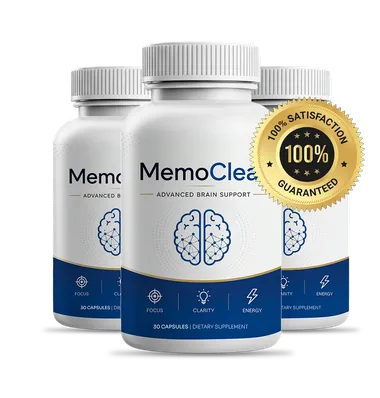
You cannot assess safety, or spot a double-dose, on ingredients you are not allowed to see. Memoclear is caffeine-free and lists each ingredient with its own amount, so you and your pharmacist can check it properly before you start.
See the Memoclear Label & OptionsWho should not take memory supplements
Most of this article is reassuring for healthy adults. This section is the exception, and it is the most important one, because "generally well tolerated" quietly excludes several groups for whom the calculation is different.
Pregnancy and nursing. The safety of most nootropic ingredients has not been established in pregnancy or breastfeeding. The default here is to avoid them unless a clinician who knows your situation says otherwise. Children are in the same category.
Kidney disease. This one deserves a spotlight because it is specific and serious. Magnesium is a common and genuinely useful ingredient, but the kidneys are what clear excess magnesium from the body. In people with impaired kidney function, magnesium can build up to dangerous levels rather than being excreted. If you have any kidney condition, do not add a magnesium-containing supplement without medical guidance — and this is worth knowing even though magnesium is one of the better-supported ingredients for the general population, as we cover in our piece on magnesium L-threonate benefits for memory.
People on interacting medication. As above: blood thinners, antiplatelet drugs, cholinergic or anticholinergic medication, and drugs for the heart, mood or seizures all warrant a conversation first. So does an upcoming surgery.
Anyone managing a diagnosed condition. A supplement is support for normal function in healthy people. It is not a treatment, and it should never delay or replace proper care. If your memory or concentration has changed noticeably, that is a reason to see a clinician, not a reason to buy a stronger capsule.

How to buy a safer memory supplement: the two things on the label that matter
You cannot control your biology, but you can control which product you hand it. Two label features do most of the work of separating a supplement you can assess from one you are simply hoping about.
Third-party testing. The supplement market is not pre-approved by regulators the way medicines are, so what is in the bottle is largely the manufacturer's responsibility. Independent third-party testing — a certification or a certificate of analysis from an outside lab — is your best available check that the contents match the label and that contaminants are within limits. It is not a guarantee of effectiveness, but it is a strong signal of a company that expects to be checked.
Disclosed doses. A panel that prints each ingredient's amount lets you do three safety jobs at once: confirm nothing is dosed absurdly high, add up overlap with your other products, and hand a complete list to a pharmacist. A proprietary blend blocks all three, because it prints only a combined weight. For safety specifically, transparency is not a nice-to-have; it is the thing that makes an informed decision possible.
Two smaller habits round it out. Buy from the official store or a reputable seller rather than a grey-market listing, where counterfeits and mislabeling are more common. And keep a written list of everything you take — supplements included — to show at every medical appointment. The single most protective sentence in this whole guide is unglamorous: tell your clinician what you are actually taking.
Three myths worth retiring
"Natural means it can't hurt me." Natural describes an origin, not a safety profile. Plenty of potent, interacting compounds are perfectly natural. Ginkgo is a plant; it can still add to a blood thinner.
"If a little helps, more will help faster." Doubling a dose usually just doubles the side-effect risk without buying a faster result — memory-oriented ingredients tend to work over weeks regardless of how much you take. More is not a shortcut; it is a hazard.
"Supplements are separate from my real medications." Your body does not file them in different drawers. To your liver, kidneys and bloodstream, a supplement is another active input. Treat it with the same seriousness, especially the interaction check.
Medical note: this article is general information, not medical advice, and no memory supplement is intended to diagnose, treat, cure or prevent any disease. Speak to a healthcare professional or pharmacist before starting or combining supplements, especially if you are pregnant, nursing, taking medication, have kidney or bleeding disorders, or are scheduled for surgery.
Frequently asked questions
Are memory supplements safe to take daily?
For most healthy adults, a well-formulated memory supplement taken at labeled doses is generally well tolerated day to day, and side effects tend to be mild. Safety depends on the specific ingredients and amounts, whether the product is third-party tested, and your own health and medications. Anyone pregnant, nursing, managing a condition, or taking prescription drugs should clear it with a clinician before daily use.
What are the most common brain supplement side effects?
The most common effects are mild and short-lived: stomach upset or nausea, headache, and jitteriness or restlessness, especially with stimulant-containing formulas. Taking capsules with food, lowering the dose, and choosing a caffeine-free formula reduce most of them. Stop and speak to a clinician if you get a rash, a racing heartbeat, or anything that does not settle.
Can nootropics interact with prescription medication?
Yes, and this is the real safety issue, not the mild side effects. Ginkgo and other ingredients can add to the effect of blood thinners and raise bleeding risk. Huperzine A is cholinergic and may interact with cholinergic or anticholinergic drugs. Always show your full supplement list to a pharmacist or doctor before combining anything with prescription medication.
Who should not take memory supplements?
People who are pregnant or nursing, children, and anyone with a serious medical condition should not take memory supplements without medical guidance. Take particular care if you use blood thinners, have kidney disease (magnesium can build up dangerously), are scheduled for surgery, or take medication for the heart, mood, or seizures. When in doubt, ask a clinician first.
Scientific references
- NIH NCCIH — Ginkgo: usage, evidence and interactions with blood thinners
- NIH Office of Dietary Supplements — Magnesium fact sheet, including kidney-function cautions
- NIH NCCIH — Dietary supplements and cognitive function, dementia, and Alzheimer’s disease: what the science says
- U.S. FDA — Questions and answers on dietary supplements, safety and testing
- Harvard Health Publishing — Twelve ways to keep your brain young
Related reading
A caffeine-free formula with every amount on the label
One stimulant-free capsule a day, each ingredient disclosed so you can run an interaction check with your pharmacist before you start — the way a memory supplement should be bought.
Comparing your options first? Read our 2026 brain supplement buyer's guide.