Brain Fog Supplements: Causes & Fixes
Quick answer: do brain fog supplements work?
Brain fog supplements help most when they target the actual cause. Poor sleep, chronic stress, dehydration and deficiencies in B12, iron or vitamin D are the usual culprits, and fixing those beats any capsule. Once lifestyle and bloods are handled, omega-3 DHA, lion's mane and phosphatidylserine have the best general support evidence.
- Fix first: sleep, stress and movement — one poor night can cut working memory by up to 38%.
- Test next: B12, iron and vitamin D deficiencies are directly linked to fog and are treatable.
- Then support: omega-3 DHA, lion's mane and phosphatidylserine carry the strongest general evidence.

You know the feeling: the words are on the tip of your tongue, the report you meant to write blurs after two lines, and by mid-afternoon your head feels wrapped in cotton wool. That is brain fog, and it sends a lot of people straight to the search bar looking for brain fog supplements that will switch the lights back on. It is a reasonable instinct — but if you buy a capsule before you understand what is causing the fog, you are treating a symptom with your fingers crossed. This guide does the harder, more useful thing. It maps the real drivers of brain fog to the fixes that address each one, so you spend money and effort where they actually change how you feel.
The honest headline up front: for most people, the single most effective brain fog supplement does not come in a bottle. It comes from sleep, movement, hydration and stress management. Supplements have a real supporting role, but they work best layered on top of those foundations, not instead of them.
What brain fog actually is
Brain fog is not a medical diagnosis. It is a plain-language description of a cluster of symptoms — slowed thinking, poor concentration, mental fatigue, and that maddening tip-of-the-tongue forgetfulness. Because it is a symptom rather than a disease, the phrase "brain fog supplements" is slightly misleading on its own. There is no single pill for a symptom that a dozen different things can cause. The productive move is to work backwards from the fog to the driver, and then choose the fix that matches.
Below are the drivers that account for the vast majority of everyday brain fog, roughly in order of how often they are the real problem and how much leverage you have over them.
The real causes of brain fog, and the fix for each
1. Poor sleep — the biggest lever by far. Sleep is when the brain clears metabolic waste and consolidates memory, and the cost of skimping is steep and fast. Research on sleep restriction has found that a single night of poor sleep can cut working memory performance by up to 38 percent. No supplement recovers that. The fix is unglamorous and powerful: a consistent sleep and wake time, a dark cool room, and a hard limit on caffeine after early afternoon. This is also why so many people specifically want a stimulant-free clarity option — the last thing a foggy, under-slept brain needs is a stimulant that steals tonight's sleep to pay for this afternoon.
2. Chronic stress and raised cortisol. Short bursts of stress sharpen you. Sustained stress does the opposite: persistently elevated cortisol impairs the prefrontal cortex, the region you rely on for focus, planning and holding information in mind. The result is textbook fog. The fixes are behavioural first — genuine downtime, breathing practice, boundaries on always-on work — and this is the one area where certain supplement ingredients have a plausible supporting role in helping the body cope with everyday stress.
3. Nutrient deficiencies. This is where supplements move from supporting cast to lead role, because here they are correcting a genuine shortfall. Deficiencies in vitamin B12, iron and vitamin D are directly linked to brain fog, poor concentration and fatigue, and all three are common and treatable. B12 shortfall alone affects a large share of older adults. The fix is not to guess — it is a blood test, followed by targeted correction. We cover exactly which nutrients matter and the doses that appear in the research in our companion guide to the vitamins for memory that actually help.
4. Dehydration and blood sugar swings. The brain is highly sensitive to fluid balance, and even mild dehydration measurably dents concentration and mood. Big blood-sugar swings from refined-carb meals produce the classic post-lunch crash. The fixes are almost embarrassingly simple: drink water across the day, and build meals around protein, fibre and slow carbohydrates so energy arrives steadily rather than in spikes and troughs.
5. Sedentary days and poor circulation. Aerobic exercise increases blood flow to the brain and is one of the most consistently protective things you can do for long-term cognition. A day chained to a desk does the reverse. The fix is movement you will actually repeat — a brisk daily walk clears more fog than most people expect, and it does it for free.

Cause and fix at a glance
| Likely cause | Tell-tale sign | First fix | Where a supplement fits |
|---|---|---|---|
| Poor sleep | Fog worst on under-slept days | Consistent sleep schedule, caffeine cut-off | Low — behaviour dominates |
| Chronic stress | Fog with tension and overwhelm | Downtime, breathing, boundaries | Modest supporting role |
| B12 / iron / vitamin D shortfall | Fatigue, pallor, low mood | Blood test then targeted correction | High — correcting a deficiency |
| Dehydration / sugar swings | Afternoon crash after big meals | Water, protein-and-fibre meals | Low |
| Sedentary days | Fog eases after a walk | Daily aerobic movement | Low — circulation support only |
Foundations handled and still want daily clarity support?
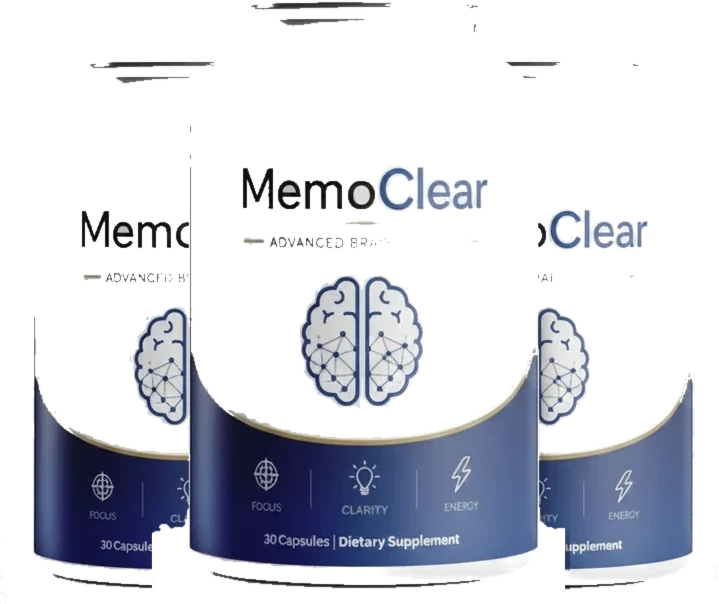
Memoclear is a stimulant-free daily capsule that pairs B-vitamin support with blood-flow amino acids — built for people who have already fixed the basics and want steady support for focus and everyday memory. The full panel is published, so every amount is yours to check.
Check Availability & OptionsThe brain fog supplements with the best evidence
Once the foundations are in place and a blood test has ruled out (or corrected) a deficiency, a few ingredients have enough human evidence to be worth considering for general support. Note the framing carefully: general support, not a cure.
Omega-3 DHA and EPA. DHA is a structural fat in brain cell membranes, and omega-3 supplementation at gram-scale doses has the most consistent evidence of this group for supporting memory and clearer thinking, particularly in people who eat little oily fish. Effects build over weeks, not hours.
Lion's mane. This mushroom is one of the more interesting entries, with mechanistic work on nerve growth factor and a small but growing set of human trials suggesting support for cognition and mood. The human evidence is still early and the studies are small, so treat it as promising rather than proven.
Phosphatidylserine. A phospholipid concentrated in brain cell membranes, phosphatidylserine has some of the better-established data in this category for supporting memory and mental processing, especially in older adults. It is a sensible, unflashy inclusion in a clarity-focused formula.
Blood-flow amino acids. L-citrulline and L-arginine raise nitric oxide and support healthy circulation. The evidence for circulation itself is strong; applying it to focus is a reasonable inference rather than a proven memory effect, and any honest formula should say so. Because circulation delivers the oxygen your neurons burn, it is a logical partner to the nutrient story rather than a headline claim on its own.
What unites the credible options is patience. None works in an afternoon, and judging them fairly means giving a routine real time — the subject of our detailed piece on how long nootropics take to work and when to judge results.

Can supplements cause brain fog? Yes, and these are the usual suspects
Supplements can cause brain fog as well as relieve it, and it is one of the most under-discussed reasons a stack stops working. The mechanisms are mundane: too much of a stimulant, too much of a fat-soluble or accumulating nutrient, a sedative taken at the wrong hour, or simply too many products at once. If your thinking got foggier after you started supplementing, the bottle is a legitimate suspect and worth investigating before you add anything else.
| What you are taking | How it can fog you | What to do |
|---|---|---|
| High-dose caffeine, or caffeine stacked across several products | Fragmented sleep and afternoon rebound tiredness, which reads as fog the next day | Add up every source — pre-workout, energy drinks, "focus" blends — and stop all caffeine by early afternoon |
| Vitamin B6 above the upper limit, taken for months | High long-term intakes are linked to nerve symptoms including numbness and unsteadiness, which people often describe as feeling foggy | Total your B6 across every product; the tolerable upper intake level for adults is 100 mg a day |
| High-dose niacin | Flushing, headache and a wrung-out feeling for an hour or more after dosing | Take with food, avoid large doses on an empty stomach, and check the amount against the upper limit |
| Melatonin, valerian or other sedating sleep aids | Morning grogginess and slow reaction time when the dose is too high or taken too late | Use the smallest effective amount, earlier in the evening |
| Iron, when you are not deficient | Nausea and gut upset that drags energy and concentration down | Only supplement iron on the basis of a blood test |
| Five new products started in the same week | You cannot attribute anything, and the odds of one of them disagreeing with you multiply | Change one variable at a time and leave two weeks between additions |
Two of these deserve the detail. Vitamin B6 is the clearest case of a helpful nutrient becoming a problem at scale: it is water-soluble, which people take as a licence to take as much as they like, but the NIH Office of Dietary Supplements fact sheet on vitamin B6 sets a tolerable upper intake level of 100 mg a day for adults precisely because sustained high intakes have been associated with sensory nerve symptoms. Those symptoms are not brain fog in the strict sense, but they feel like it from the inside, and B6 turns up in a great many "energy" and "nerve support" products at once.
Niacin is the other. The flushing reaction to a large dose — hot skin, prickling, a thumping head — is harmless but genuinely disabling for concentration while it lasts, and the NIH Office of Dietary Supplements fact sheet on niacin documents adverse effects beginning well below the doses some products use. Neither ingredient is a villain at the amounts found in a normal diet or a sensibly formulated capsule. Both become a problem when several products stack them without you noticing.
The diagnostic move is simple: stop everything for two weeks. If the fog lifts, reintroduce one product at a time, spaced a fortnight apart, and you will find the culprit. If the fog does not lift, the supplements were not the cause and the list of real drivers above is where to look next. This is the same one-variable discipline that makes a supplement trial readable in the first place, which we set out in our guide to how long nootropics take to work and how to run a fair trial.
Three myths that keep brain fog going
Myth 1: "A stronger stimulant will burn off the fog." Caffeine can paper over tiredness for an hour, but leaning on stimulants to push through under-slept days deepens the sleep debt that is causing the fog in the first place. That vicious circle is exactly why a stimulant-free approach appeals to so many people who are already wired and tired.
Myth 2: "More ingredients means a more powerful formula." A label crowded with two dozen exotic-sounding compounds usually means each one is present in a token amount, well below any studied dose, because only so much powder fits in a capsule. Depth beats breadth. Turn the box over and compare milligrams to the research before you are impressed by the ingredient count.
Myth 3: "If it were serious, a supplement wouldn't help — and if a supplement helps, it wasn't serious." Both halves are wrong. Ordinary lifestyle fog responds beautifully to lifestyle fixes and modest support. But persistent, worsening or sudden fog can signal a thyroid problem, anaemia, depression, a medication effect or something else that needs a clinician, and no supplement should stand between you and that assessment.
Where Memoclear fits — and where it does not
Here is the honest placement. Memoclear is a stimulant-free daily capsule that combines B-vitamin support with blood-flow amino acids, published in full so you can audit every amount. It is designed for the person who has done the groundwork — protected their sleep, ruled out deficiencies, started moving — and wants convenient daily support for focus and everyday memory without a stimulant that costs them tonight's rest.
What it is not: a fix for a night of bad sleep, a replacement for correcting a diagnosed B12 or iron deficiency, or a treatment for any medical cause of cognitive change. Those come first, and they come from behaviour and, where needed, a clinician. A formula is the layer you add for steadiness once the foundations are solid, not a shortcut around them. Sold honestly, that is a genuinely useful role — and sold as a miracle, it would be exactly the kind of overpromise this article exists to warn you about.
Medical note: this article is general information, not medical advice. Persistent, sudden or worsening brain fog can have medical causes — including thyroid, anaemia, medication effects and mood disorders — that need proper assessment. Speak to a healthcare professional before starting any supplement, especially if you are pregnant, nursing, or taking medication.
Frequently asked questions
What causes brain fog and how do I fix it?
Brain fog is usually a symptom rather than a condition, and the common drivers are poor sleep, chronic stress and raised cortisol, dehydration, and nutrient deficiencies such as B12, iron and vitamin D. The most effective fixes address the cause: protect your sleep, manage stress, move your body, and correct any deficiency a blood test finds. Supplements support that work rather than replace it.
Which supplements are best for brain fog?
For general support once deficiencies are ruled out, the ingredients with the most credible evidence are omega-3 DHA, lion's mane and phosphatidylserine. If a blood test shows low B12, iron or vitamin D, correcting that specific shortfall is more powerful than any general clarity supplement. No supplement outperforms fixing sleep, stress and movement first.
How long do brain fog supplements take to work?
It depends on the ingredient. Correcting a nutrient deficiency can lift fog within a few weeks. General support ingredients such as omega-3 DHA and phosphatidylserine typically need eight to twelve consistent weeks before you can judge them fairly. Anything promising a same-day transformation is overselling, so give a routine two to three months before deciding.
Can brain fog be a sign of a deficiency?
Yes. Deficiencies in vitamin B12, iron and vitamin D are directly linked to brain fog, poor concentration and fatigue, and they are common and treatable. This is exactly why a blood test is a smarter first purchase than a supplement. Persistent fog with no obvious lifestyle cause is a reason to get tested and to speak with a clinician.
Scientific references
- Centers for Disease Control and Prevention — Sleep and sleep disorders: effects on health and performance
- American Psychological Association — Stress effects on the body, including cortisol and cognition
- NIH Office of Dietary Supplements — Vitamin B12 fact sheet for health professionals
- NIH Office of Dietary Supplements — Vitamin B6 fact sheet, including the 100 mg/day upper intake level and neuropathy at sustained high intakes
- NIH Office of Dietary Supplements — Niacin fact sheet, including flushing and adverse effects at high doses
- NIH NCCIH — Dietary supplements and cognitive function, dementia, and Alzheimer’s disease: what the science says
- Yassine H.N. et al. — CNS target engagement of high-dose DHA supplementation in older adults at risk for dementia: a randomised, double-blind, placebo-controlled trial (EBioMedicine, 2026)
- Harvard Health Publishing — Foods linked to better brainpower
Related reading
Steady daily support once the fog has a cause
A stimulant-free daily capsule built on B-vitamin support and blood-flow amino acids, with the full panel published so you can check every dose. If you have been searching for honest brain fog supplements without the hype, start by reading the label.
Prefer the ingredient breakdown first? Read the full Memoclear ingredient and label guide, or start with the vitamins for memory that actually help.